
Choosing the right educational approach for your child is one of the most important decisions you’ll make as a parent. Among the many educational philosophies available today, Montessori education stands out for its child-centered approach, emphasis on independence, and focus on lifelong learning.
Developed by Dr. Maria Montessori over a century ago, the Montessori method is now used worldwide in homes and schools. Understanding its core principles can help parents decide whether this approach aligns with their child’s needs and learning style. In this article, we explore the 10 key principles of Montessori education every parent should know.
1. Child-Centered Learning
At the heart of Montessori education is the belief that children learn best when they are actively engaged and interested. Instead of a one-size-fits-all curriculum, Montessori classrooms are designed around each child’s individual pace, interests, and abilities.
Children are encouraged to explore subjects that capture their curiosity, fostering a natural love of learning rather than reliance on external rewards or pressure.
2. Independence as a Core Goal
Montessori education places a strong emphasis on helping children become independent thinkers and problem-solvers. From a young age, children are encouraged to make choices, care for their environment, and complete tasks on their own.
This independence builds:
- Confidence
- Self-discipline
- Responsibility
Parents often notice that Montessori-educated children show greater self-motivation and resilience.
3. Hands-On Learning with Purposeful Materials
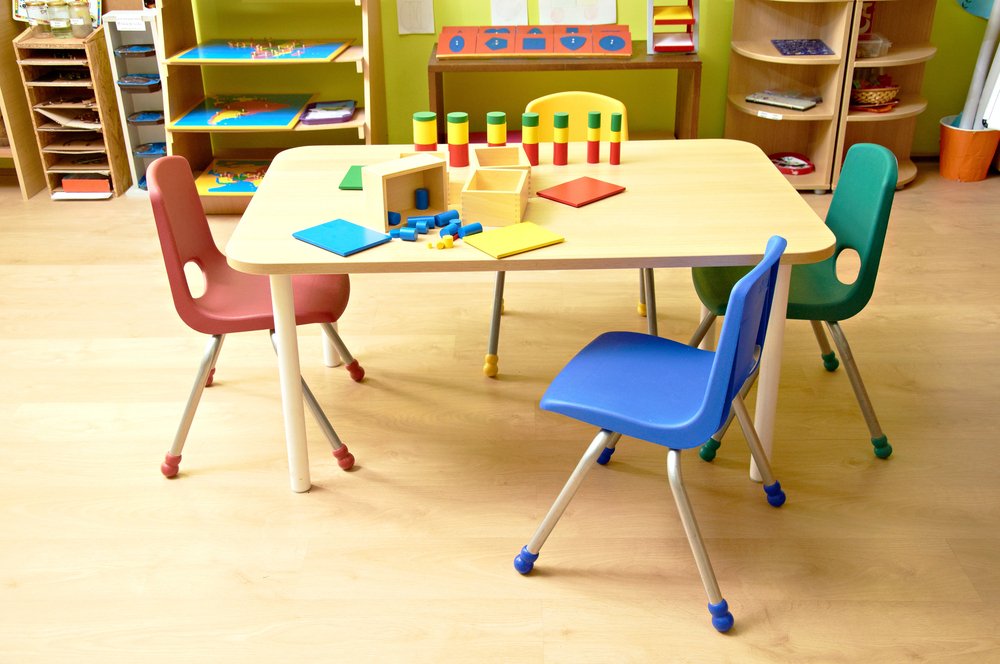
Montessori classrooms are filled with specially designed materials that support hands-on learning. These materials are not toys—they are carefully crafted tools that help children understand abstract concepts through physical interaction.
Hands-on materials help children:
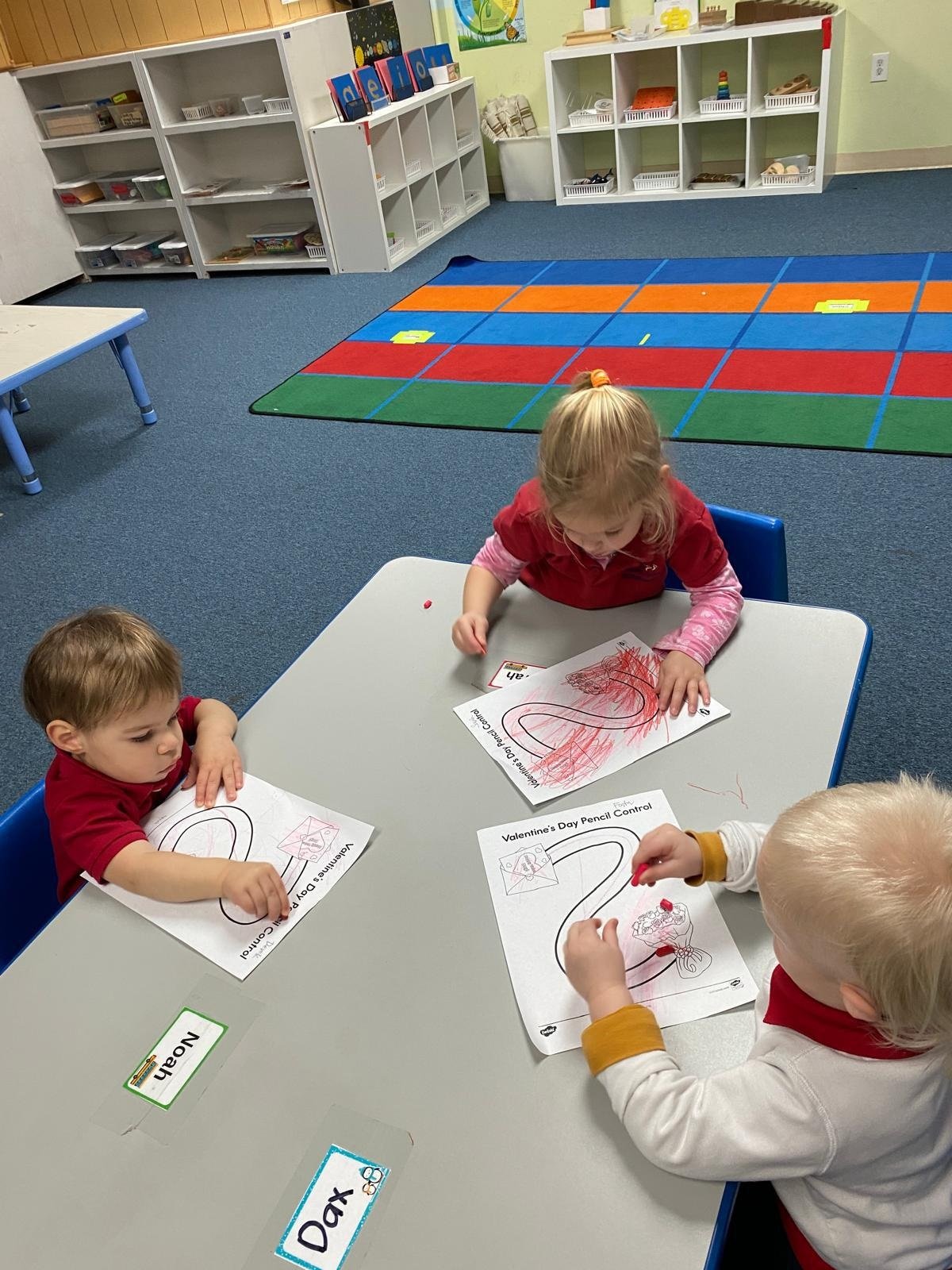
- Develop fine motor skills
- Understand math and language concepts
- Learn through exploration and repetition
Learning becomes tangible and meaningful.
4. Prepared Learning Environment
The Montessori classroom is known as a prepared environment. Everything in the space is intentionally designed to support independence, order, and learning.
Key features include:
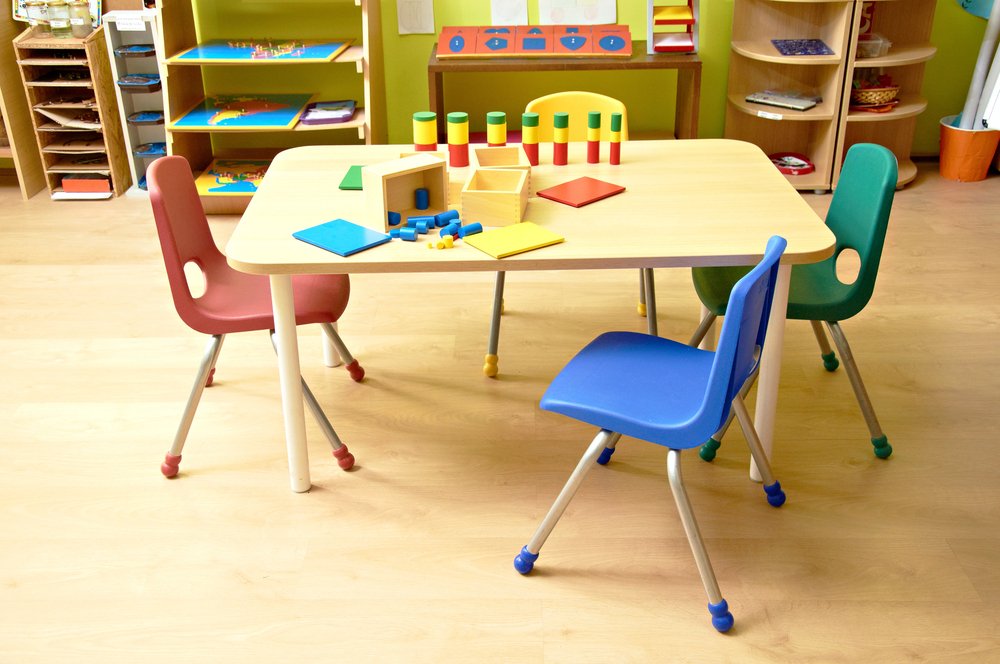
- Child-sized furniture
- Organized, accessible materials
- Calm, uncluttered spaces
This environment empowers children to choose activities independently and work without constant adult direction.
5. Freedom Within Limits
Montessori education allows children freedom—but not without structure. Children are free to choose their activities, work at their own pace, and move around the classroom, all within clearly defined boundaries.
This balance teaches children:
- Self-regulation
- Respect for others
- Accountability for their choices
Freedom within limits helps children develop internal discipline rather than relying on external control.
6. Mixed-Age Classrooms
One of the most distinctive features of Montessori education is mixed-age classrooms, typically spanning three years. Younger children learn by observing older peers, while older students reinforce their knowledge by mentoring younger ones.
Mixed-age environments encourage:
- Collaboration
- Leadership skills
- Empathy and social development
This structure mirrors real-world social settings more closely than same-age classrooms.
7. Learning Through Observation and Exploration
Rather than relying heavily on lectures or worksheets, Montessori education emphasizes learning through observation and exploration. Teachers act as guides, introducing materials and concepts, then stepping back to allow children to discover solutions on their own.
This approach nurtures:
- Critical thinking
- Curiosity
- Problem-solving skills
Children learn how to learn—an essential life skill.
8. Respect for the Child
Respect is a foundational principle of Montessori education. Children are treated as capable individuals whose thoughts, feelings, and choices matter.
Respect in Montessori education means:
- Allowing children time to concentrate
- Listening to their ideas
- Encouraging autonomy rather than control
This respectful approach builds trust and positive self-esteem.
9. Focus on Intrinsic Motivation
Montessori classrooms typically avoid grades, prizes, and competition. Instead, children are motivated by internal satisfaction and a sense of accomplishment.
By focusing on intrinsic motivation, Montessori education helps children:
- Develop a love of learning
- Build perseverance
- Find joy in mastery rather than approval
This internal drive often leads to deeper engagement and long-term academic success.
10. Education for the Whole Child
Montessori education is not limited to academics. It emphasizes the development of the whole child—intellectual, emotional, social, and physical.
Children learn practical life skills such as:
- Cleaning and organizing
- Caring for plants and animals
- Preparing food
These activities foster independence, coordination, and respect for the environment.
How Montessori Education Benefits Children Long-Term
Research and experience show that Montessori-educated children often demonstrate:
- Strong problem-solving skills
- Independence and self-confidence
- Social awareness and empathy
- A lifelong love of learning
These benefits extend well beyond the classroom and into adulthood.
Is Montessori Education Right for Your Child?
Every child is unique, and Montessori education may not be the perfect fit for everyone. However, children who thrive in self-directed, hands-on environments often excel in Montessori settings.
Parents considering Montessori education should:
- Observe a Montessori classroom
- Ask about teacher training and certification
- Understand how Montessori principles are applied
Informed decisions lead to better educational outcomes.